館藏編號 613
迷宮機器人
Micro Robots
- 人數
- 2–9912345678+推薦 2–9 人(最佳 4)
- 時間
- 20分鐘
- 重度
- 1.7/5輕
- BGG 評分
- BGG 評分6.3/10787 票
- 年齡
- 8+
- 年份
- 2016Andreas Kuhnekath-Häbler
全場同時開腦,搶先算出機器人要幾步才能走到目標格的速度謎題
學習曲線
移動規則只有一條:走到同色或同數字的鄰格
規則秒懂,新手只是需要時間習慣掃視盤面
路徑通常只有幾步,快幾局後就是純比反應
AI 整理
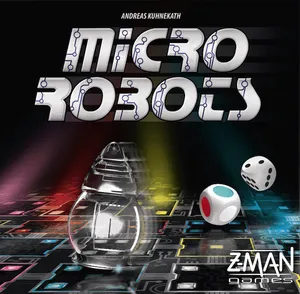
四片板塊拼成一個方陣,上面是三十六個骰面,顏色與數字的每種組合各出現一次。擲兩顆骰子決定終點,所有人同時盯著盤面想:透明機器人要怎麼走過去。移動規則只有一條——只能往上下左右移動到與現在格子同色或同數字的格子。想到答案的人喊出步數,然後當場示範;數字對就拿一枚勝利標記,錯了就把手上的標記給最少的人。先拿到五枚的人獲勝。
它的樂趣完全來自即時搶答,沒有回合、沒有等待,所有人腦袋一起轉。有趣的取捨在於「要不要早喊」:你算出五步就敢喊,結果別人喊三步,你就白等一輪;可是想久一點,別人可能已經喊了。盒中還有進階玩法,先擲一次骰指定必經的中繼點,再走到終點,路徑會複雜不少,實務上這才是耐玩的版本。
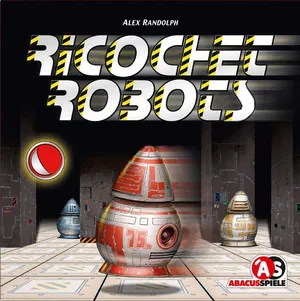
它是經典作《瑞可洛機器人》(Ricochet Robots)這條路線的縮小版,同樣是全員同時解一道移動謎題,但把彈射到牆才停的規則換成配色配數字,盤面也小得多。相較之下,它比《卡卡頌》這類板塊遊戲更抽象、更輕,也更接近腦力測驗而非策略遊戲:沒有累積、沒有引擎,每一輪都是獨立的一題。
喜歡數獨、找碴這類即時腦力題的人會玩得很開心。需要一款隨身小盒的人可以放進包裡當候位或收尾的填空。課堂與親子場合也用得上,規則一句話講完,八歲以上就能參與。
開玩前注意:人數彈性極大,盒上寫二人到接近無上限,BGG 上的投票最推薦四人;人多時搶答會更熱鬧,但也更容易變成少數人包辦。實際二十分鐘結束。全程不需要任何文字,語言完全不是問題,而且有中文版,盒標八歲以上。最大的坑是實力落差:同桌只要有一個人反應特別快,其他人幾乎沒機會出手,建議實力相近的人一起玩,或直接開進階規則拉高難度。
內容由 AI 依公開資料整理,可能有誤,僅供挑選參考。
玩家怎麼說
評論幾乎一面倒地把它跟《瑞可洛機器人》放在一起看,而共識是:核心謎題被簡化得太多。最常見的說法是題目「太簡單」;有玩家指出解答多半只要一到四步,結果比的不是路徑規劃,而是零點幾秒的反應速度。有玩家直言,如果你已經有原作,大概不會想拿這款出來玩。
批評之外也有具體的保留意見:沒有針對實力差距做任何平衡,同桌有高手就會變成一面倒;有人建議一定要用加入中繼點的進階規則,難度才撐得起來。另一個被反覆提到的實際價值是,盒中的透明機器人可以當成原作的額外棋子使用,也有人就是為了這個才留著它。
挑遊戲的話,把它當成便攜、好教、給小朋友或暖場用的反應小品比較實際;若你追求的是解路徑的思考樂趣,直接找原作會滿意得多。
規格明細
- 語言
- 繁體中文
- 文字用量
- 幾乎沒有文字
- 中文化狀態
- 中文版
- 類型
- 主遊戲
- 年齡
- 8 歲以上
外部資源
相關作品
可混合遊玩
BGG 原文介紹(英文)
Micro Robots, a simultaneous play game inspired by Alex Randolph's classic Ricochet Robots, challenges players to quickly determine how a robot can move from one spot on the grid to another. To set up, choose to use the black or copper side of the four game boards, then arrange them in a 2x2 square. Each game board shows nine dice, and once arranged the completed grid shows 36 dice, with the dice being numbered 1-6 and showing six colors, with each combination of number and color appearing exactly once. Roll the color die and number die to determine the starting location for the transparent robot, then mark this space with the transparent starting token. In a round, roll the two dice to determine the target space; you can mark this space with a transparent victory token or simply have everyone remember which space they're trying to reach. Everyone simultaneously tries to figure out how to move the robot to the target space, and to move the robot, it must move orthogonally to a space that shares either the color or number of its current location. If the robot starts on "3-green", for example, it can move orthogonally to any space that shows either a 3 or is green; if you'd move it to "5-green", it can now once again move orthogonally to any space that shows either a 5 or is green; and so on. As soon as a player has a solution, they yell out the number of moves, then take the robot and demonstrate the solution. If the solution takes exactly the number of moves claimed, the player earns a victory token; if not, the player gives one of their victory tokens (if they have any) to the player with the fewest tokens. In either case, the former target space becomes the new starting space for the next round. If any player possesses five victory tokens, they win! If the 25 victory tokens are distributed before someone collects five, then whoever holds the most tokens wins, with ties being possible. Expert Micro Robots players can increase the challenge of the game by placing the target victory token on the board, then rolling the two dice once again. The players must now determine a solution that first moves the robot to the space showing on the dice, then to the final destination. The transparent robot in Micro Robots can also be used in Ricochet Robots. This robot moves like any other robot in that game except that for an additional move it can pass through a wall instead of stopping at it. It cannot move through the central barrier or the exterior walls, and the only target space on which it can land is the colored vortex.