館藏編號 415
四方之地
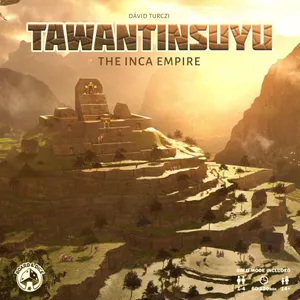
Tawantinsuyu: The Inca Empire
- 人數
- 1–412345678+推薦 1–4 人(最佳 3–4)
- 時間
- 60–120分鐘
- 重度
- 4.1/5重
- BGG 評分
- BGG 評分7.4/103,147 票
- 年齡
- 14+
- 年份
- 2020Dávid Turczi
把工人永久留在山城上、靠相鄰連鎖換取行動的重度印加策略
學習曲線
五種工人、神明卡、神殿與征服四套系統,教學要一小時
零碎規則多,第一局幾乎全程抱著玩家指引
盤面每回合變形,擺放順序的取捨要很多局
AI 整理
印加帝國題材的重度工人擺放。你把五種不同的工人放到庫斯科山城的各個位置,每個位置連著三個行動格,至少執行其中一個;關鍵在於放下去的工人會永久留在盤面上,而每當你新放的工人旁邊有同型工人相鄰,就多得一個行動。此外你的大祭司在山頂神殿裡繞行,離大祭司越遠的位置,擺放成本越貴。工人池抽乾時遊戲結束,結算神殿高度、征服的區域、織品與建築。一局一到兩小時。
最特別的是那套相鄰連鎖。盤面越到後期越擁擠,別人留下的工人同時是你的助力與障礙——放對位置可以一口氣連做好幾個行動,放錯就只剩一個;戰士還能把相鄰的工人直接移走,所以擁擠的狀態是動態的。另一層是神明卡:擺工人前要棄掉符號相符的神明卡或付金,而卡片本身的特殊能力又要先蓋出對應的雕像才能啟動,三個系統彼此綁在一起。
定位是純度很高的重度歐式,比殖民火星更重、規則細節也更多,方向則完全不同:那邊是長線引擎,這邊是每回合重新評估盤面的空間最佳化。它的樂趣接近解一道每回合都在變形的謎題,而不是把自己的引擎養大。
吃得下規則量的重策玩家才是目標客群,決策密度高、每一手都有得算。喜歡空間最佳化的人會很滿足,整局都在算相鄰與路徑。想輕鬆開一局的人不適合,零碎規則太多,放著一陣子沒玩就得重新查表。
開玩前注意:三到四人最好,一到四人都在推薦範圍,兩人時盤面太空、相鄰連鎖的樂趣會少一大截。時間標示六十到一百二十分鐘,第一次請直接抓三小時以上,光教學就要一小時。盒標與 BGG 玩家投票都是 14 歲以上。桌面幾乎沒有文字,有中文版。玩家指引做得很好但份量接近一整張 A4,遊戲中會一直翻;單人模式有官方機器人,不過有玩家反映它自己的規則太多、操作繁瑣,若是衝著單人入手要先評估。
內容由 AI 依公開資料整理,可能有誤,僅供挑選參考。
規格明細
- 語言
- 簡體中文
- 文字用量
- 幾乎沒有文字
- 中文化狀態
- 中文版
- 類型
- 主遊戲
- 年齡
- 14 歲以上
外部資源
BGG 原文介紹(英文)
The great Sapa Inca Pachacuti turned to his offspring and ordered them to worship Inti, the Sun God, and to expand the Inca Empire as far as the llamas roam. With Chinchaysuyu, Antisuyu, Qullasuyu, and Kuntisuyu — the four regions of the new empire — now ripe for conquest, the time has come for Pachacuti's true successor to arise. Gather your people from the villages below and use their unique abilities to strategically place them where they can perform the greatest tasks for you. Climb the steps of the Sun Temple, reaping the rewards of your piety. Build structures that both nourish your people and provide you with benefits no other has at their disposal. Muster an army and conquer villages in the four realms of Tawantinsuyu. Prove yourself a worthy successor to Pachacuti and lead the Inca to glory! During Tawantinsuyu: The Inca Empire, players place workers onto various locations on the game board, performing actions, collecting resources (potatoes, corn, stone, and gold), constructing buildings and stairs, sculpt statues, expanding their military strength, and collecting weavings. The game board features a hill located within the old Inca capital of Cusco, the sides of which are terraced and divided into five sections. Atop the hill sits the Coricancha, The Golden Temple, the most important temple of the Inca Empire. Within the Coricancha, each player has a High Priest. On the terraced sections below exist a variety of worker placement locations, interconnected by paths and individually marked by symbols. On your turn, you must either place a worker onto a location outside the Coricancha OR choose two of the following: Recruit one worker. Take two god cards. Draw two army cards and keep one of them. Move your High Priest one or two steps clockwise within the Coricancha. When placing a worker, you must first discard a god card with a matching symbol or pay one gold. Once placed, the worker remains on the game board for the rest of the game! Each worker placement location is connected to exactly three action spaces. You must always perform at least one of these actions. However, for each adjacent worker (i.e., connected to your worker's location via direct path through one of the action spaces) that matches the type of worker just placed, you receive one additional action! While some locations will result in you being able to perform multiple actions, other actions and placements may be more desirable, especially since each of the five types of workers has a unique ability: Warrior: Remove one of the adjacent workers, placing it in your player area. Craftsman: Gain +1 action if placed onto a craftsman space. Architect: Gain +1 action if placed onto an architect space. Courier: Decreased placement cost; +1 action if it's the first worker placed within a given area. Priest: Take one god card; you may pay one potato to gain +1 action. All god cards feature one of the different symbols found on the worker placement locations. Before placing a worker, you must either discard a god card with a matching symbol or pay valuable gold resources. God cards also depict special abilities that can be activated only if you have previously built a matching statue! Army cards allow you to send one or more units to conquer villages in nearby regions. You must compete against the other players for control of each region as well as for valuable rewards that can be gained as a result of military conquest. The position of your High Priest within the Coricancha has a significant impact on your overall strategy, affecting your access to powerful actions and determining any potential resource costs when placing your workers. More specifically, when placing a worker, you must pay additional resources the farther your worker is from your High Priest, from nothing all the way up to eight potatoes or corn! Additionally, when moving your High Priest, you can activate powerful actions available only within the Coricancha: Produce: Gain all rewards from your production buildings. Worship: Sacrifice previously sculpted statues to gain permanent temple advancements. Offering: Pay resources to gain temple advancements. Conquer: Engage in military conquest of nearby villages. Rejuvenate: Refresh previously activated buildings and military units. Throughout the game, you score victory points whenever you construct stairs or sculpt statues. Gain bonus victory points whenever another player makes use of the stairs you have constructed. Score victory points from temple advancements and control of the four regions. The game ends when the worker pool has become exhausted, symbolizing the full incorporation of nearby regions and villages into the newly risen Inca Empire. You then score bonus victory points from reaching the top of the temple, from your woven tapestries, and from various buildings and resources you have accumulated. —description from publisher