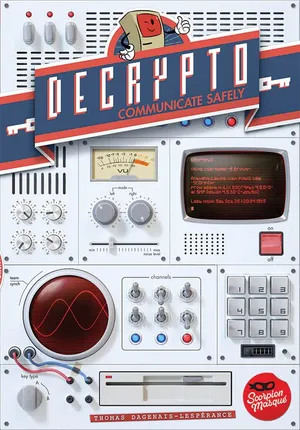
館藏編號 116
截碼戰
Decrypto
- 人數
- 3–812345678+推薦 4–8 人(最佳 4、6)
- 時間
- 15–45分鐘
- 重度
- 1.8/5輕
- BGG 評分
- BGG 評分7.8/1027,935 票
- 年齡
- 12+
- 年份
- 2018Thomas Dagenais-Lespérance
兩隊各自傳暗號、同時偷聽對手破譯的隊制猜詞對抗
學習曲線
屏風、密碼卡、黑白標記三樣講完就能開局
第一輪常給得太明顯,吃過虧才知道尺度
提示鬆緊與刻意誤導的拿捏要多局才練得起來
AI 整理
兩隊對抗的猜詞遊戲。每隊有一面屏風,裡面插著四張只有自己人看得到的字卡,編號 1 到 4。輪到出題的人抽一張三位數的密碼卡,例如 4-2-1,然後給出三個提示詞,讓隊友把提示對應回正確的號碼順序。猜對沒事,猜錯記一個黑點;兩個黑點就輸。
有意思的是從第二輪開始,對面也在聽。他們沒看過你的四個字,但把你歷年來針對同一個號碼給過的提示串起來,就有機會反推出那個字是什麼,進而攔截你的密碼——攔截成功他們得一個白點,兩個白點就贏。於是出題的人被卡在一個很尷尬的位置:提示太隱晦,隊友猜不到;提示太直接,對手就破譯了。整局的張力幾乎都來自這條線,而且愈到後面愈緊,因為對手累積的情報愈來愈多。
常被拿來跟同樣是給提示猜詞的入門派對名作比較,兩者輕重相近,但這款多了一層「說過的話會被記帳」的長期資訊博弈,也需要動筆記錄,比純猜詞多動一點腦,緊繃感也更強。相對地,它的失敗機制比較無情:一個沒接上的提示就可能直接把整局送掉。
喜歡文字遊戲又嫌純猜詞太單純的人會很吃這一套。固定的兩隊人馬最理想,彼此的聯想習慣會慢慢變成默契與武器。混語言程度不一的場合要小心,這是徹底吃語感的遊戲,對語言不夠熟的人並不友善。
開玩前注意:BGG 標最佳 4 人與 6 人,4 到 8 人都在推薦之列;3 人可玩但體驗差很多,落單的人整局只能攔截,等待時間長。時間標 15 到 45 分鐘,通常四到七輪就分勝負。盒標 12 歲以上,BGG 上的投票也落在 12 歲。它對語感的依賴是最高的一級,換個語言幾乎就玩不動,所幸有中文版,直接用中文詞庫玩即可。另有擴充「截碼戰:光碟播放器」可加。
內容由 AI 依公開資料整理,可能有誤,僅供挑選參考。
玩家怎麼說
最常出現的一句評語就是拿它跟同類的入門猜詞名作對比,而且多數人給出的結論是這款更好:規則一樣好教,但多了策略層次、也多了要動筆記錄的部分,有人形容它「加了一層很巧妙的資訊戰與誤導」。也有人說概念好到自己先用白板和現成字卡做了原型來試,結果大家玩完都想再來一局。
保留意見主要有三個。一是提示的分寸很難抓,太難太簡單都會出事,比純猜詞更容易讓人挫折;二是結尾可能很掃興,輸的一方常常是自己人沒接上提示,而不是被對手漂亮攔截;三是人數與語言的限制,三人局被明確點名無聊,隊上有語言還不夠熟的人也會明顯拖累。
如果你要找的是一款好教、但比一般派對猜詞更有嚼勁的隊制遊戲,這款是很穩的選擇;前提是湊得到四人以上,而且大家的母語程度接近。
規格明細
- 語言
- 繁體中文
- 文字用量
- 沒有翻譯無法玩
- 中文化狀態
- 中文版
- 類型
- 主遊戲
- 年齡
- 12 歲以上
外部資源
相關作品

BGG 原文介紹(英文)
Players compete in two teams in Decrypto, with each trying to correctly interpret the coded messages presented to them by their teammates while cracking the codes they intercept from the opposing team. In more detail, each team has its own screen, and in this screen they tuck four cards in pockets numbered 1-4, letting everyone on the same team see the words on these cards while hiding the words from the opposing team. In the first round, each team does the following: one team member takes a code card that shows three of the digits 1-4 in some order, e.g., 4-2-1. They then give a coded message that their teammates must use to guess this code. For example, if the team's four words are "pig", "candy", "tent", and "son", then I might say "Sam-striped-pink" and hope that my teammates can correctly map those words to 4-2-1. If they guess correctly, great; if not, we receive a black mark of failure. Starting in the second round, a member of each team must again give a clue about their words to match a numbered code. If I get 2-4-3, I might now say "sucker-prince-stake". The other team then attempts to guess our numbered code. If they're correct, they receive a white mark of success; if not, then my team must guess the number correctly or take a black mark of failure. (Guessing correctly does nothing except avoid failure and give the opposing team information about what our hidden words might be.) The rounds continue until a team collects either its second white mark (winning the game) or its second black mark (losing the game). Games typically last between four and seven rounds. If neither team has won after eight rounds, each team must attempt to guess the other team's words; whichever team guesses more words correctly wins.