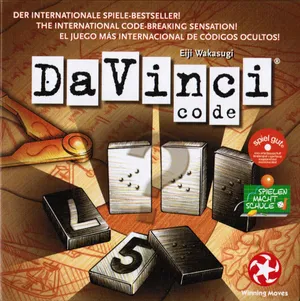
館藏編號 111
達文西密碼
Da Vinci Code
- 人數
- 2–412345678+推薦 2–4 人(最佳 3–4)
- 時間
- 15分鐘
- 重度
- 1.5/5輕
- BGG 評分
- BGG 評分6.1/102,325 票
- 年齡
- 8+
- 年份
- 2002Eiji Wakasugi・Hiroaki Suzuki
猜穿對手面前那排數字牌,十五分鐘決勝的純推理對決
學習曲線
抽一張、指一張、猜數字,三句話就講完了
排序規則帶來的推論,第一局中段就會自己浮現
何時該賭一把、何時該保守,兩三局就抓得到
AI 整理
每個人拿幾張黑白數字牌立在自己面前,由小到大排好,數字相同時白牌放在右邊,牌背朝外只有自己看得到。輪到你就抽一張新牌,指名某位對手的某一張,說出你猜的數字;猜中就把那張牌翻倒公開,並且可以選擇繼續猜下去,猜錯則必須公開自己剛抽的那張牌。牌被全部翻倒的人出局,最後還有牌立著的人獲勝。
有意思的是資訊來源只有兩種:排序規則本身,以及別人猜錯時被迫公開的牌。因為牌一定照大小排列,任何一張被翻開的牌,都會同時限縮它左右兩邊的可能範圍,推理鏈收得非常快。猜錯要付出代價,所以真正的抉擇不是「我算不算得出來」,而是「這個把握夠不夠讓我開口」——連猜下去可以一口氣清光對手,失手則反過來把自己送出去。
重量比卡卡頌更輕,本質是一款讓多人同時參與的密碼破解益智遊戲。規則量極小,但每一手的推理密度不低,和需要大量記錄、蒐證的推理遊戲屬於完全不同的路數。
想找五分鐘教會的暖場遊戲,開盒到開打幾乎沒有前置。帶小朋友練邏輯的家長,推理鏈短、輸贏很快就翻篇。喜歡一對一心理拉鋸的兩人組,兩人局節奏極快,可以連打好幾把。
開玩前注意:三到四人最佳,兩人也在推薦範圍,只是可猜的對象只有一個、變化較少。一局只要十五分鐘,適合連玩。盒標 8 歲以上,BGG 上的投票也落在 8 歲。牌面只有數字與黑白兩色,完全不需要語言能力,而且有中文版。要先說清楚的是後期常出現一翻兩瞪眼的局面:有玩家覺得它不是太明顯就是太隨機,把它當成輕鬆的推理小品,不要當硬派推理遊戲期待。
內容由 AI 依公開資料整理,可能有誤,僅供挑選參考。
玩家怎麼說
有玩家形容它是「給色盲玩的心靈直覺(Mastermind),而且多人可以同時參與」。玩過的人普遍認同它好教、好上手、節奏極快,有人直接說這是「很容易學會的破解密碼遊戲,節奏飛快,拿來和新手或小朋友玩很不錯」,也有人把它列進輕度推理遊戲的推薦名單裡。
保留意見同樣明確。有玩家玩過兩局後覺得「不是太隨機就是太明顯」;另有人表示和固定的兩人搭子玩,幾乎沒有重玩價值。一位華語玩家觀察得更細:四人局前兩輪還算是數字推理,兩輪之後想秒殺對手並不難,而這類猜牌遊戲很吃玩家之間的言語交鋒,這款在這方面偏薄弱。也有人乾脆定位成兒童向的推理遊戲。
想挑遊戲的話:當成十五分鐘的暖場或親子局,它便宜好教又耐帶;想找有深度的推理主餐,得往別處看。
規格明細
- 語言
- 繁體中文
- 文字用量
- 幾乎沒有文字
- 中文化狀態
- 中文版
- 類型
- 主遊戲
- 年齡
- 8 歲以上
外部資源
BGG 原文介紹(英文)
From the box: Conceal your secret code, outguess your opponent, deduce the solution, amaze your foes. In the game of CODA players try to crack each other's "code" - a sequence of secret numbers. Guess an opponent's secret number and it is revealed (by knocking it down). Guess incorrectly and you must reveal one of your own secret numbers! On each turn, a new number enters play, which helps you to narrow the possibilities and grow your own code. Common sense, intuition and your "detective" skills will guide you to success. From me: There are two sets of tiles (similar to Stratego pieces without the soldiers) numbered 0-11. One set is black, one is white. In four player game, everyone one grabs three random pieces and arranges them in numeric order, with white pieces going to the right on ties. In order a player grabs one of the remaining tiles and guesses one of the opponents pieces. If correct, that piece is revealed. If the player is incorrect the piece that was just drawn is placed in the correct place in his own sequence and revealed. If the player was correct in guessing he MAY make another guess. If he chooses not to then he places the picked piece in his code, in sequence, but does not reveal it. Play continues until only one person has a piece standing. When the new tiles run out, just keep going without drawing tiles. Belongs to a series / trilogy, containing: Bernini Mysterie Da Vinci Code Salomon's Dilemma